Story
Dutch Formosa: The VOC in Tainan
How the Dutch East India Company ran its Taiwan colony from Anping between 1624 and 1662, what is left of its two forts, and where to eat near them.
Also in: Español · Deutsch · Nederlands
A trading post on a sandbar
In the early 1620s the Dutch East India Company (VOC) wanted a base for trade with Ming China and Tokugawa Japan. It first fortified the Penghu islands, but Chinese forces pushed it out in 1624, and the company moved east to Tayouan, a sandy peninsula on the Taiwan coast that is now Anping.
A first fort there, called Orange, was replaced by a permanent fortress. The company's directors renamed it Zeelandia in 1626, and building went on until 1634. Across a shallow inland sea, the Taijiang, lay the mainland and the lands of the Siraya. Fort Zeelandia became the seat of Dutch government on the island, and in 1642 the Dutch also took the Spanish garrison at Keelung in the north.
Deer skins, sugar and silk
The colony was slow to pay. The company waited 22 years for a profit. Deer hides went to Japan, 151,400 of them in 1638 alone and later about 50,000 to 80,000 a year. Sugar became the main export: in 1658 the colony produced 1.73 million catties, with 45 per cent going to Persia and 35 per cent to Japan. Tayouan also worked as a transshipment port, moving silk, silver, spices and porcelain between China, Japan, South-East Asia and Europe.
Much of the farming was done by Chinese settlers. The company offered free land, tax breaks, oxen and loans, and some 50,000 to 60,000 Chinese settled during the 38 years of Dutch rule, growing rice and sugarcane. They paid a residency tax and had to carry permits, and the tax was one cause of uprisings in 1640 and 1652. In September 1652 a farmer, Guo Huaiyi, led several thousand peasants against Sakam. The Dutch and their Siraya allies put the revolt down, and about 4,000 Chinese were killed.
The Siraya
The plain behind Tayouan belonged to the Siraya, who lived in villages such as Sinckan, Mattauw (now Madou), Soelangh (Jiali) and Baccloangh (Shanhua). Sinckan allied with the Dutch early on and supplied firewood, venison and fish, and in 1625 the company bought land from Sinckan and founded the settlement of Sakam. Other villages resisted, and in the winter of 1635 the Dutch defeated Mattauw.
Dutch missionaries learned the Siraya language, wrote it in Latin letters, ran village schools and translated parts of the Bible. The script outlived the colony: land contracts were still being written in it in the 18th century, and researchers have since deciphered many of these Sinckan manuscripts. On 30 July 2026 Taiwan's government recognised the Siraya as an Indigenous people, the first group recognised under the new Plains Indigenous law.
Fort Provintia and Koxinga's siege
After the 1652 revolt the Dutch built a second stronghold on the mainland at Sakam. Fort Provintia was begun in 1653 and finished in 1655, as the centre of the farming colony.
Zheng Chenggong, the Ming loyalist commander known in Europe as Koxinga, sailed from Kinmen in 1661 with about 25,000 soldiers and sailors. His fleet entered the Taijiang on 30 April 1661, guided through the Luermen channel by He Bin, a former interpreter for the Dutch. Fort Provintia surrendered soon after. Fort Zeelandia did not, so Koxinga besieged it and set out to starve the garrison. During the siege, after rumours that the Dutch were stirring up attacks on Chinese settlers, Koxinga had Dutch male prisoners executed, and the surviving women and children were enslaved.
A Dutch relief fleet failed to break the siege in 1661. In January 1662 a defector, the sergeant Hans Jurgen Radis, pointed out a weakness, and Zheng guns bombarded the Utrecht redoubt. Governor Frederick Coyett signed the surrender on 1 February 1662, and the Dutch left for Batavia on 9 February. The Dutch held on at Keelung until 1668, then left Taiwan.
What you can see in Anping
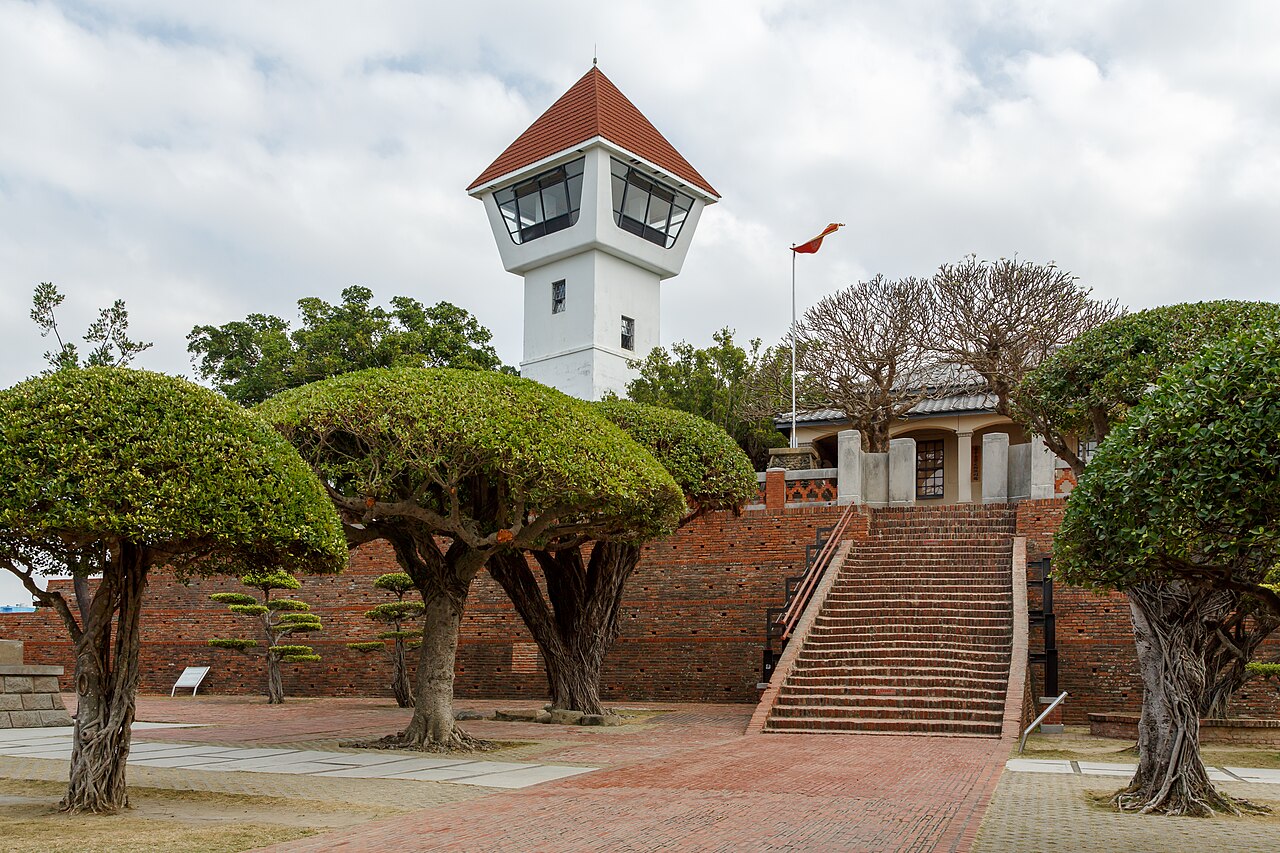
Fort Zeelandia is now Anping Old Fort. Little of the fortress survived Qing neglect, and in 1868, during the Camphor War, a British shell hit the arsenal and destroyed much of what was left. The best Dutch piece is the south outer wall, about 65.8 metres of brick covered in banyan roots, outside the main gate. There is also a half-moon bastion on the inner north side and a well on the west side.
The raised red-brick platform and the white tower are later. In 1897 the Japanese levelled the ruins and built a house for the customs officer on top, which became an exhibition hall in 1930, and a 1975 restoration gave the tower its pointed roof. The Fort Zeelandia Museum, opened in 2009, is in the former customs commissioner's residence of 1882. A few steps away, Anping Kaitai Tianhou Temple keeps a Mazu tradition that local accounts link to Koxinga's fleet, and the Tait & Co. merchant house and the Anping Tree House show the later treaty-port years.
What you can see at Chihkan Tower
Fort Provintia had a rougher time. Its iron gate plaque was melted down for weapons during the Zhu Yigui uprising of 1721, and typhoons and earthquakes reduced it to crumbling walls. In the 1870s and 1880s Qing officials built the Haishen Temple and Wenchang Pavilion on its base, and these Chinese halls are what most visitors photograph.
The Dutch work is lower down. Parts of the foundations and bastion walls survive in red brick, set in a mortar of oyster-shell lime, sugar water and glutinous rice. Between the two halls is a half-moon well. In 1935 a local researcher, Lu Chia-hsing, was lowered into it in a basket and confirmed that the Dutch had built it. The nine stone tablets on turtles in the garden record the Qing campaign against the Lin Shuangwen uprising in the 1780s. For the wider story, the National Museum of Taiwan History in Annan, north of the centre, holds about 60,000 objects from Indigenous, Dutch, Spanish, Chinese, British and Japanese Taiwan.
Where to eat near the forts
In Anping, Wang Shih Fish Skin Dishes opens before dawn on Anping Road and serves milkfish skin in soup or over braised pork rice. Chou's Shrimp Roll, further east on the same road, wraps its shrimp filling in caul fat before frying. Tong Ji Anping Douhua, a short walk west of the fort, makes silky tofu pudding. Near the canal, Xie Shopkeeper does a loaded milkfish-and-seafood congee, and Wen Zhang Beef Soup is open late.
Around Chihkan Tower, Lo Cheng Migao on Minzu Road serves sticky rice with braised pork and fish floss, and Fu Tai Table, on the same street, is a Tainan canteen serving braised pork rice and small side dishes. Hsin Hsin and Amei, two of the city's old banquet restaurants, are on the blocks around the tower, and the original Du Hsiao Yueh shop for danzai noodles is a short walk south on Zhongzheng Road.
Places mentioned
安平古堡(熱蘭遮城)Anping Old Fort (Fort Zeelandia)
The site of Fort Zeelandia, the Dutch East India Company's headquarters on Taiwan. Come for the 17th-century brick wall wrapped in banyan roots and the small museum on the colony.
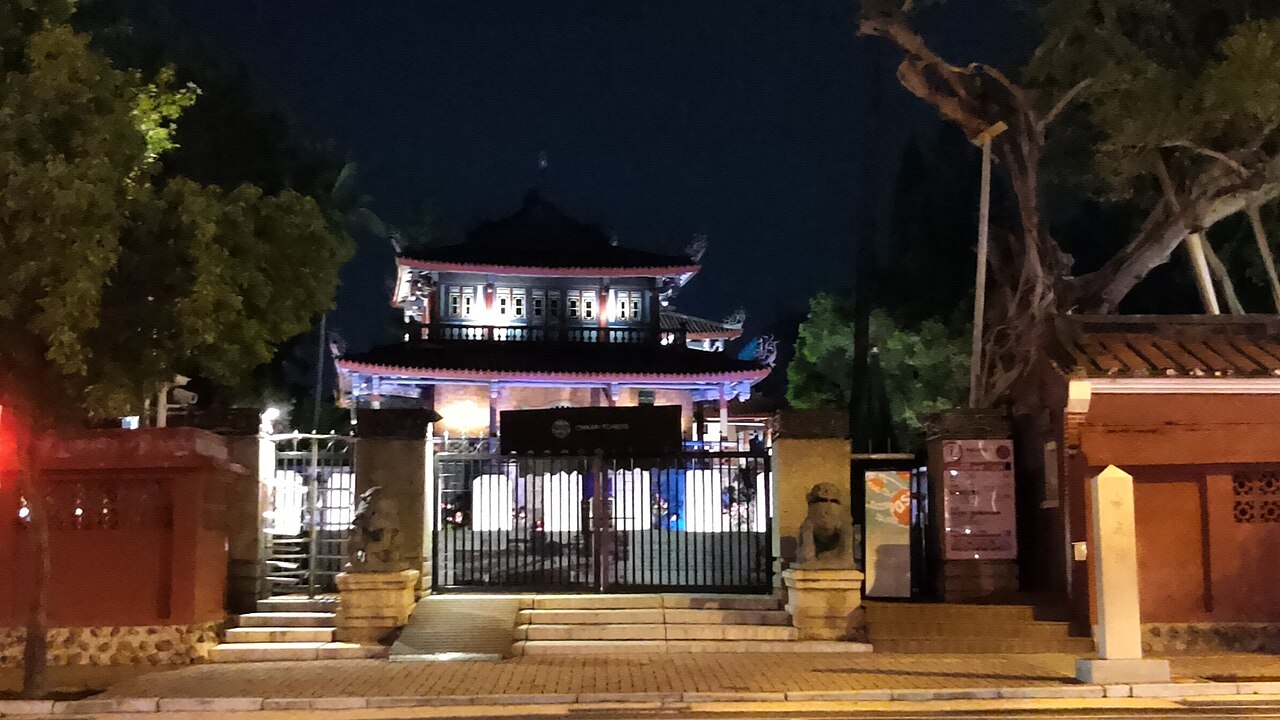 赤崁樓
Chihkan Tower (Fort Provintia)
Two Qing-era pavilions sitting on the base of Fort Provintia, the Dutch fort on the mainland. It is the obvious starting point for the old town.
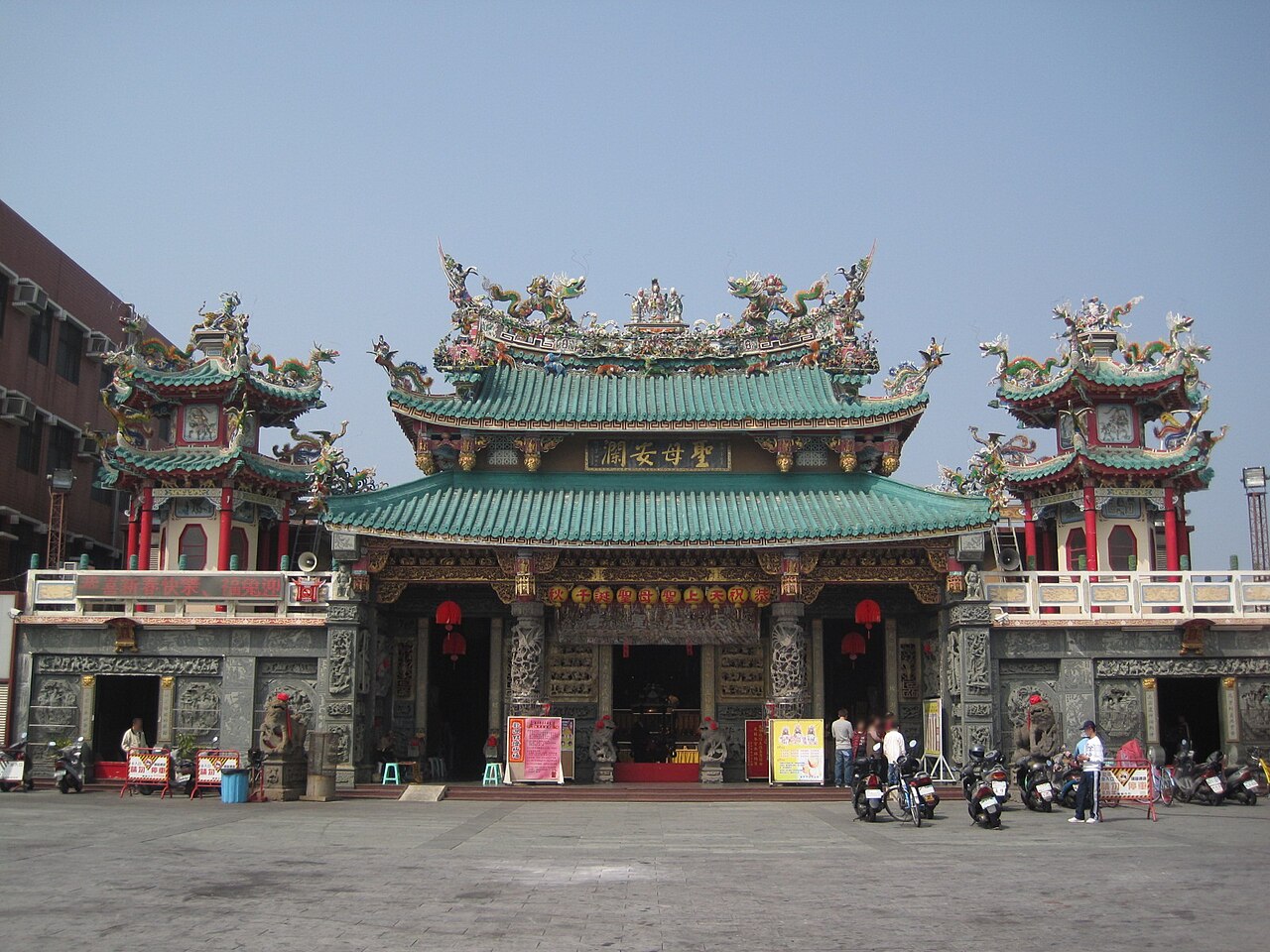 安平開臺天后宮
Anping Kaitai Tianhou Temple
A Mazu temple right by Anping Old Fort, rebuilt in the 1960s to bring back statues that had spent decades in other Anping temples.
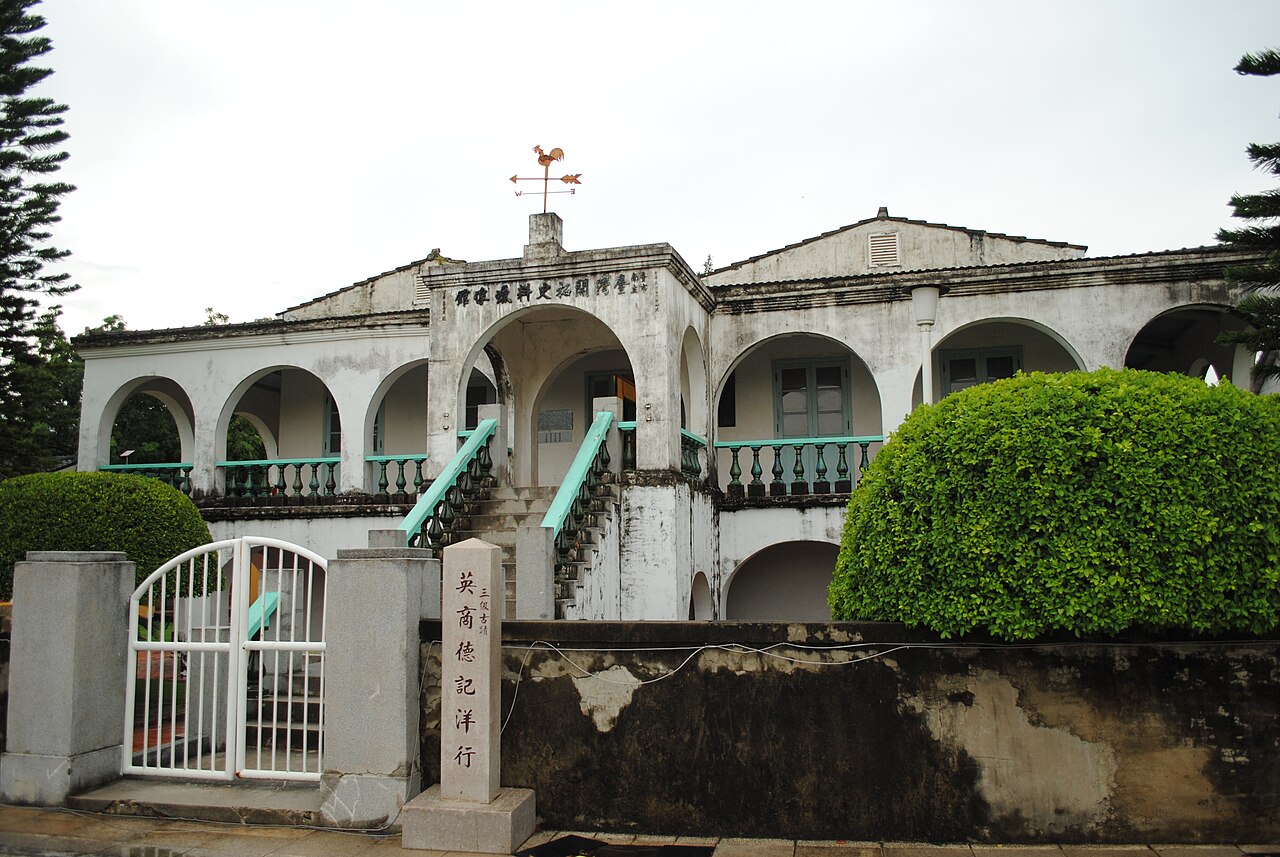 原英商德記洋行
Former Tait & Co. Merchant House
A 19th-century trading house from Anping's treaty-port years, now a small museum. The Anping Tree House is directly behind it.
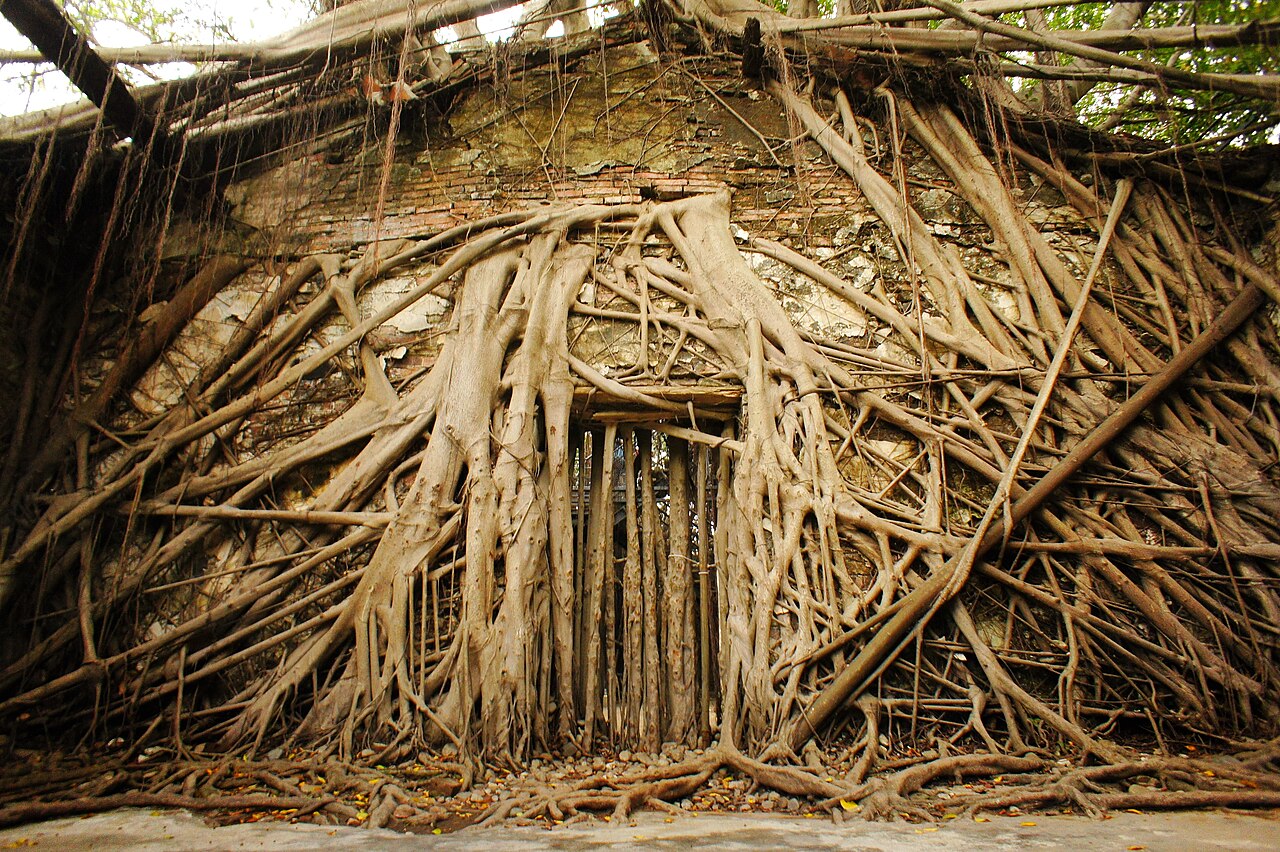 安平樹屋
Anping Tree House
An old warehouse that banyan trees have taken over, roots running down the walls and the canopy forming a roof.
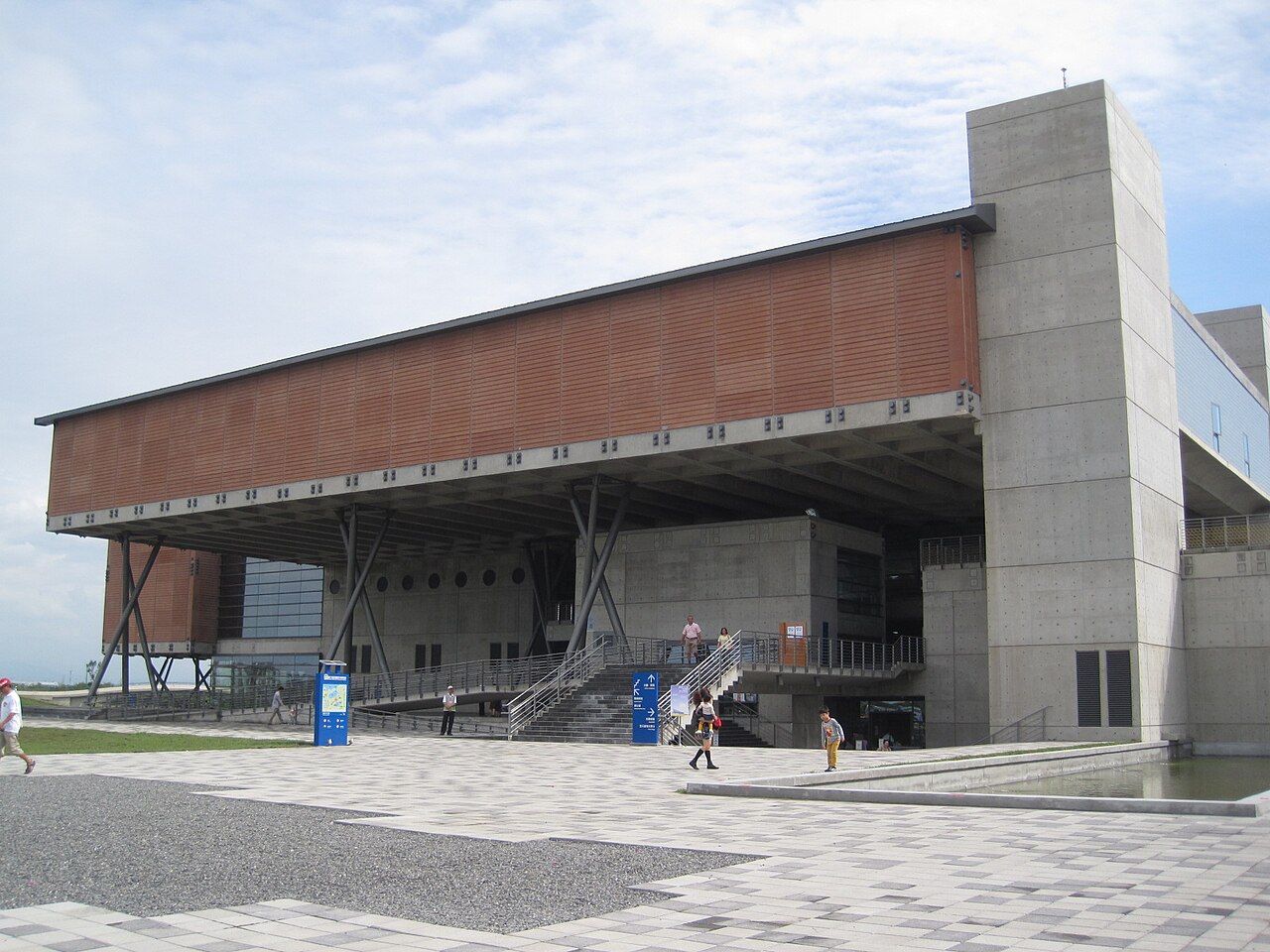 國立臺灣歷史博物館
National Museum of Taiwan History
The national museum of Taiwan's history, out in Annan, with about 60,000 objects from Indigenous, Dutch, Spanish, Chinese, British and Japanese periods.
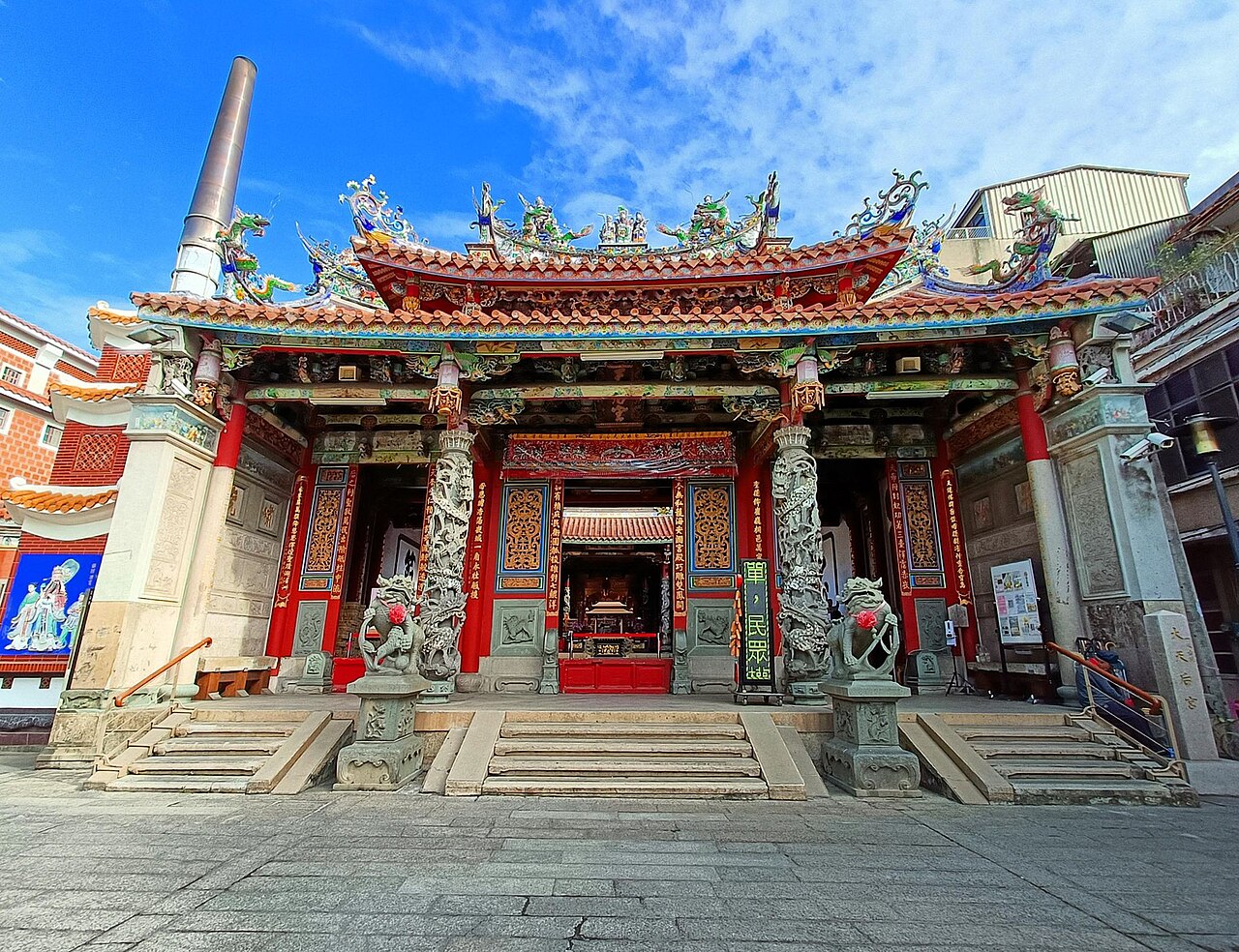 祀典大天后宮
Grand Matsu Temple
Next to the Official Martial Temple, this Mazu temple occupies the former residence of the Ming prince Zhu Shugui.
Where to eat nearby
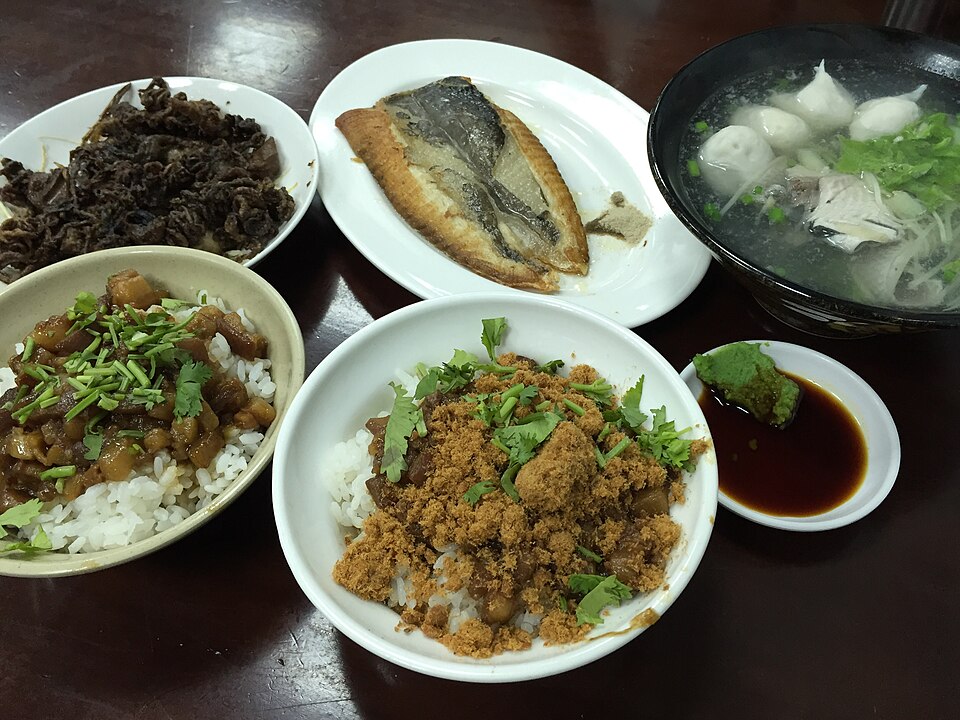 王氏魚皮
Wang Shih Fish Skin Dishes
An early-opening Anping shop run by a former milkfish farmer. It is best known for milkfish skin with a thin layer of flesh, served in soup or over braised pork rice.
周氏蝦捲台南總店Chou's Shrimp Roll (Main Store)
Anping's best-known shrimp roll shop, wrapping the filling in caul fat before frying.
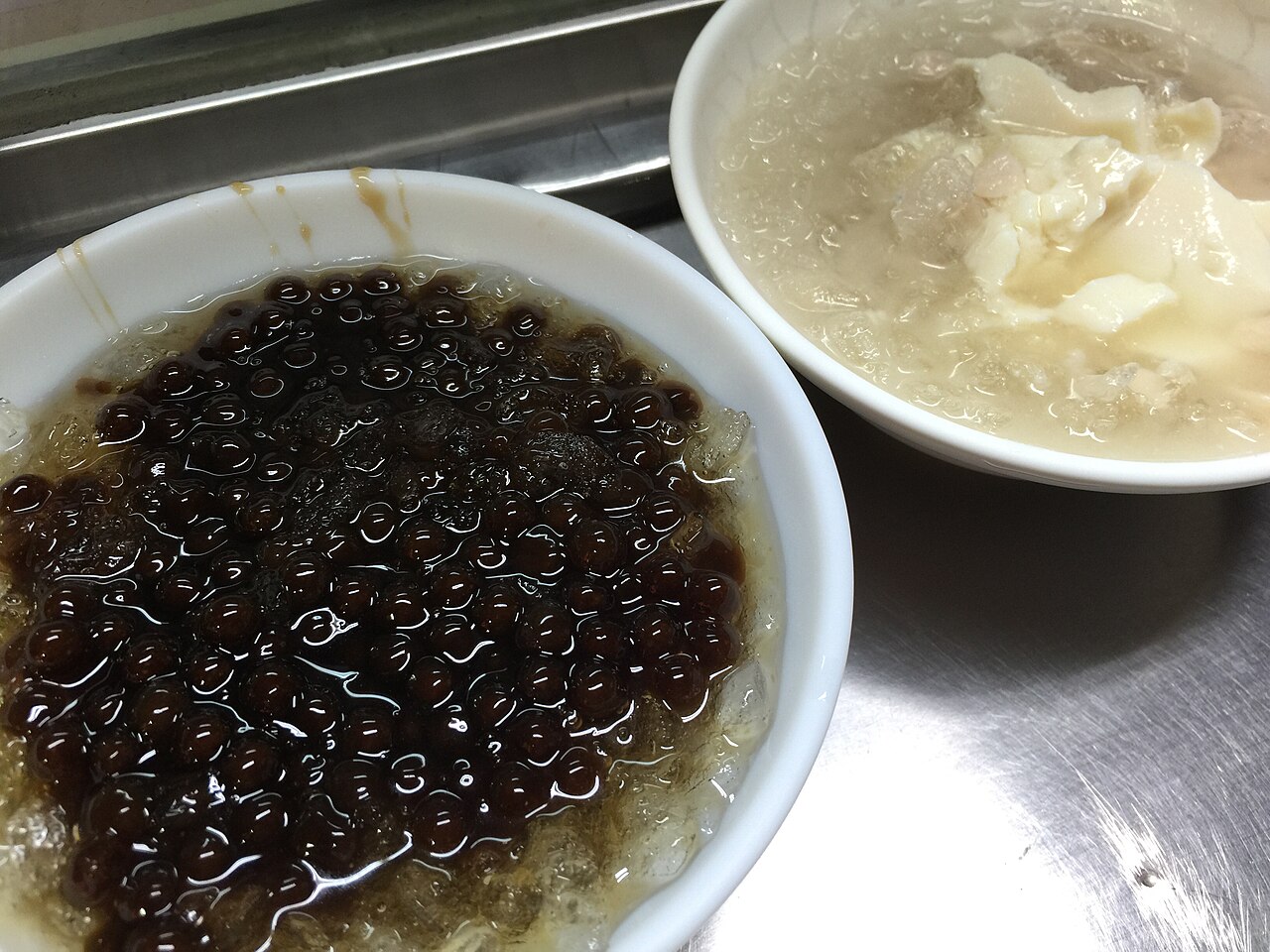 同記安平豆花
Tong Ji Anping Douhua
Well-known Anping tofu pudding shop using non-GMO soybeans, with toppings like pudding and beans.
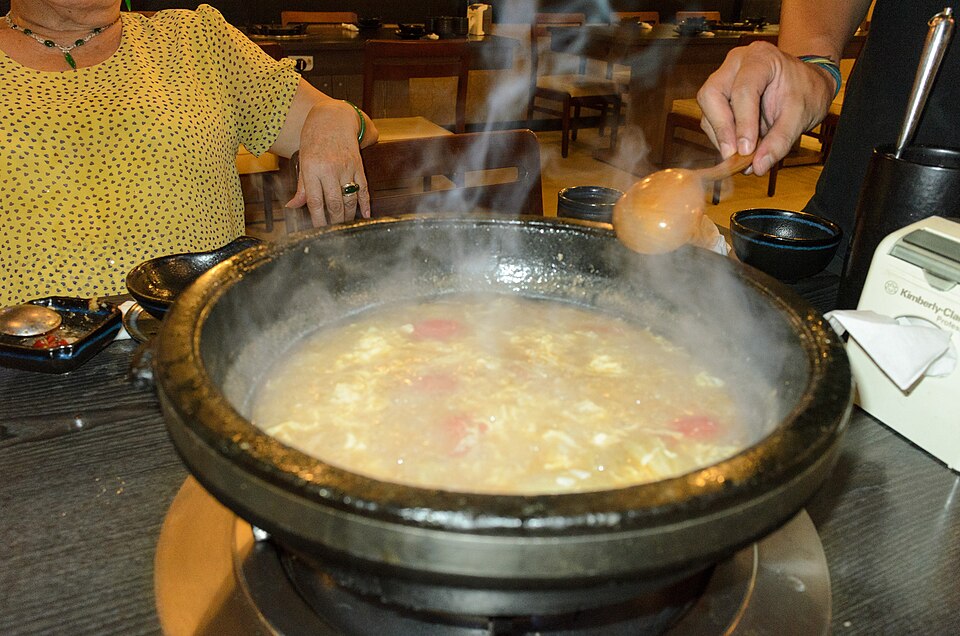 謝掌櫃
Xie Shopkeeper
Anping seafood spot best known for a loaded milkfish-and-seafood congee and salt-steamed fish.
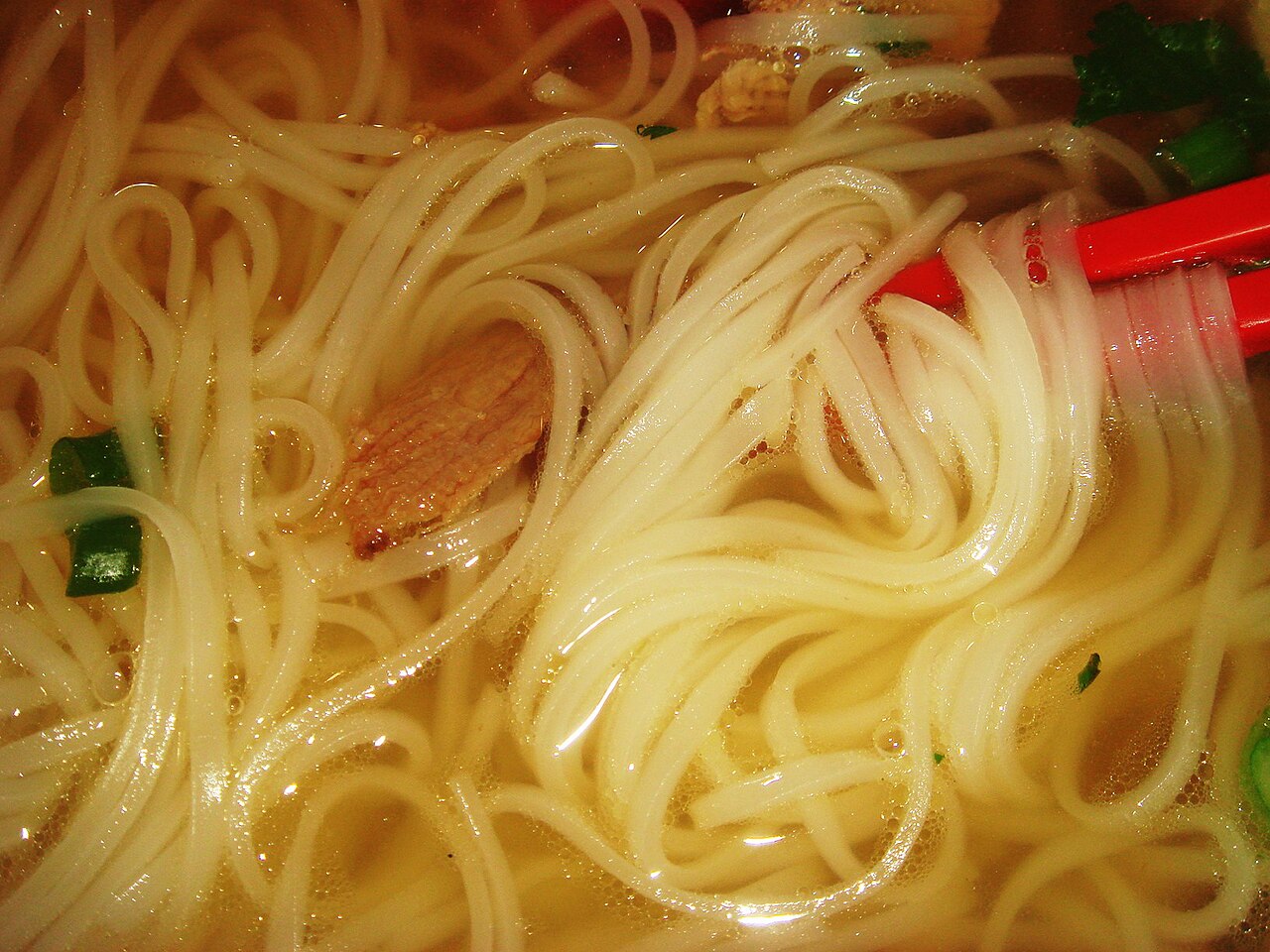 文章牛肉湯
Wen Zhang Beef Soup
Popular late-night beef soup house using fresh local beef, also known for stir-fried beef tongue.
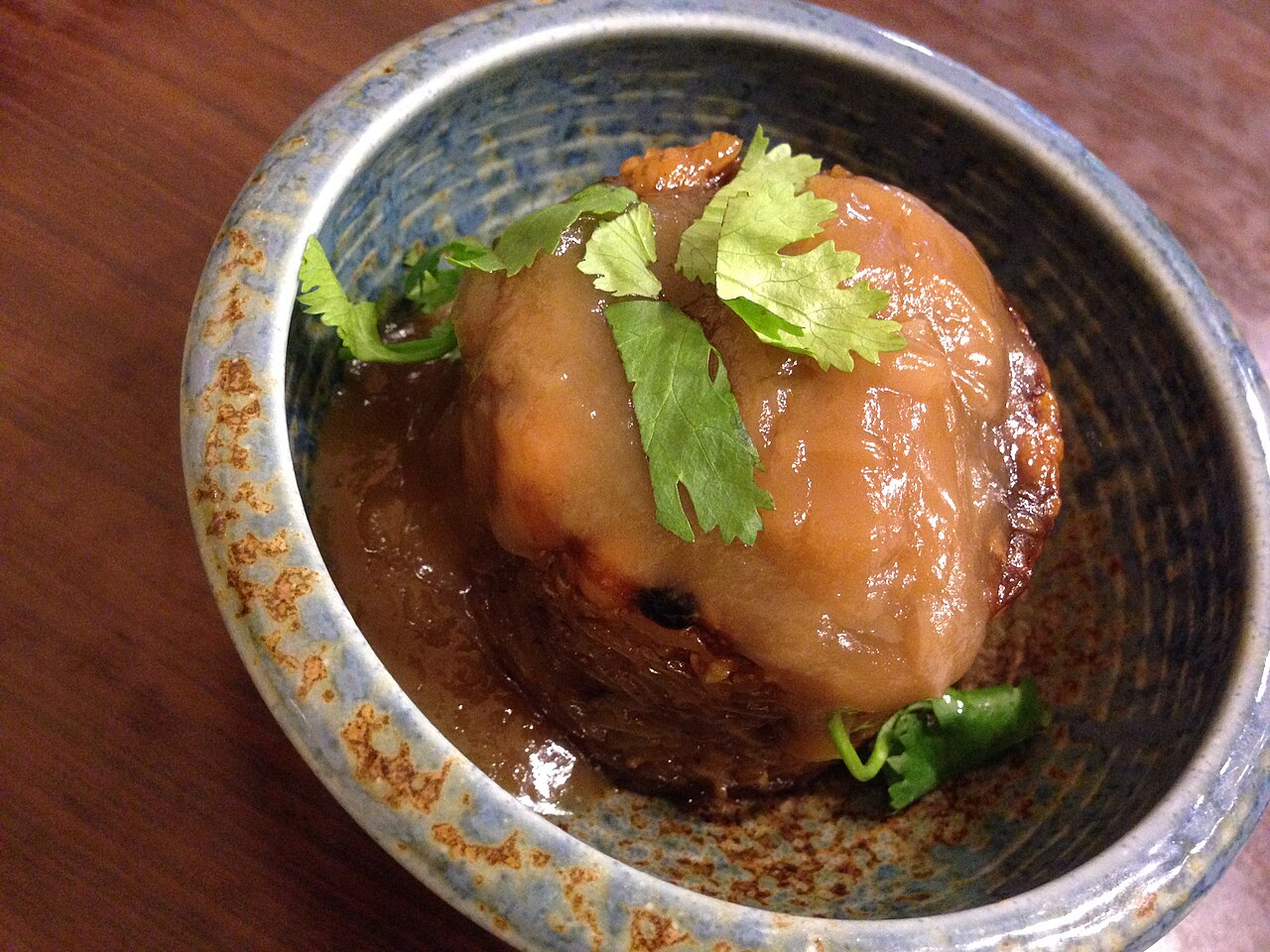 落成米糕
Lo Cheng Migao
Sticky rice migao topped with braised pork, fish floss and peanuts, often paired with a sishen herbal soup.
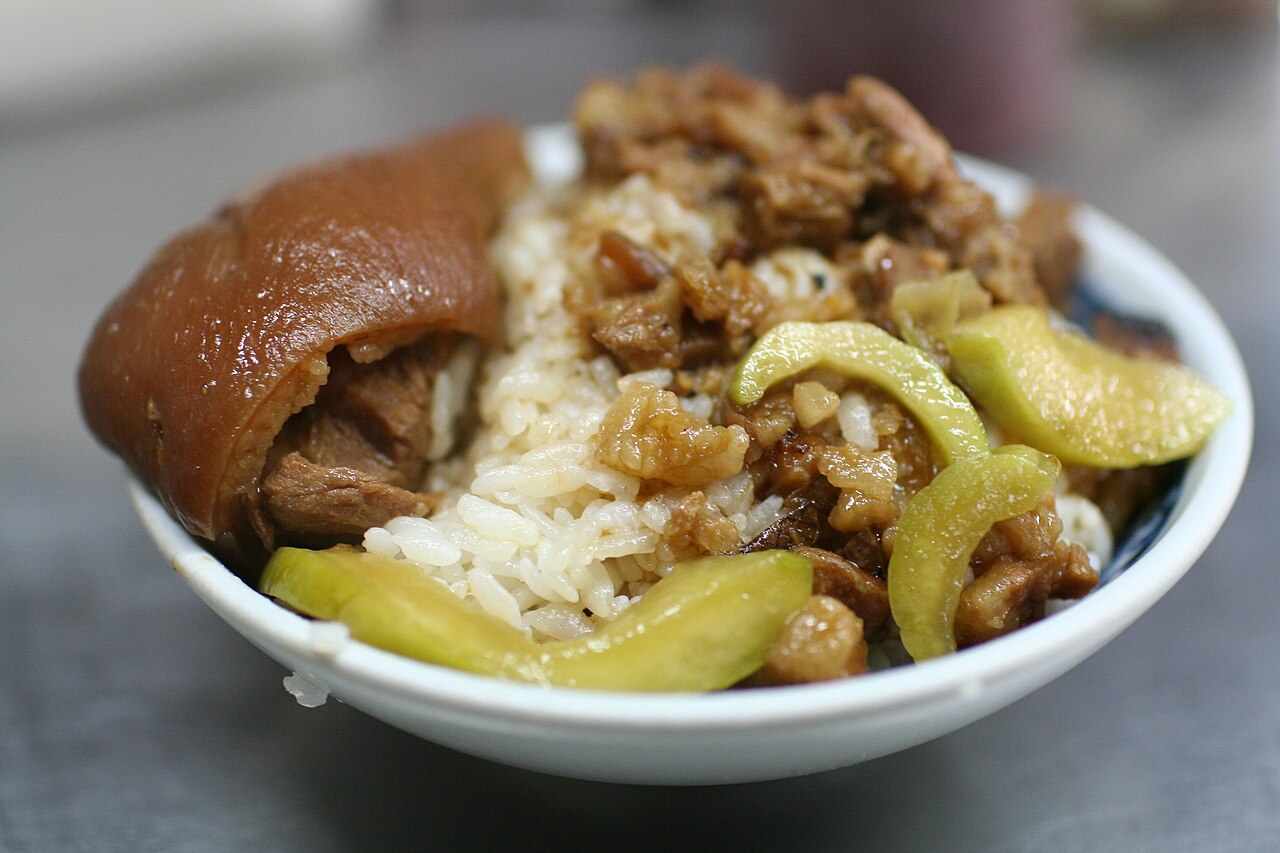 福泰飯桌第三代
Fu Tai Table Third Generation
A Tainan 'fan zhuo' canteen: braised pork rice with small home-style side dishes and a meatball soup.
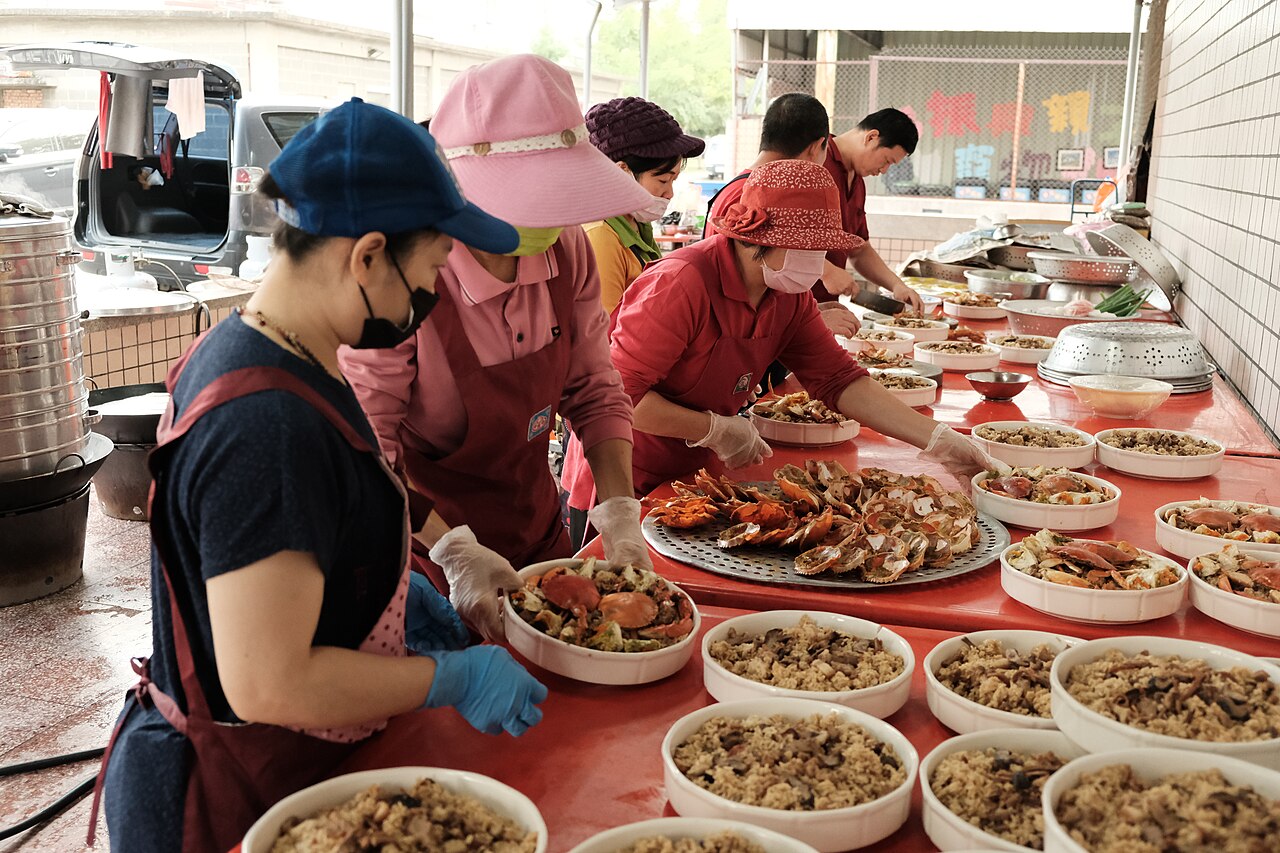 欣欣餐廳
Hsin Hsin Restaurant (A-Tu Shi)
Old-school Taiwanese banquet restaurant of nearly fifty years. Chef A-Tu, now close to eighty, still cooks classics like the family's crab-meat balls for round tables.
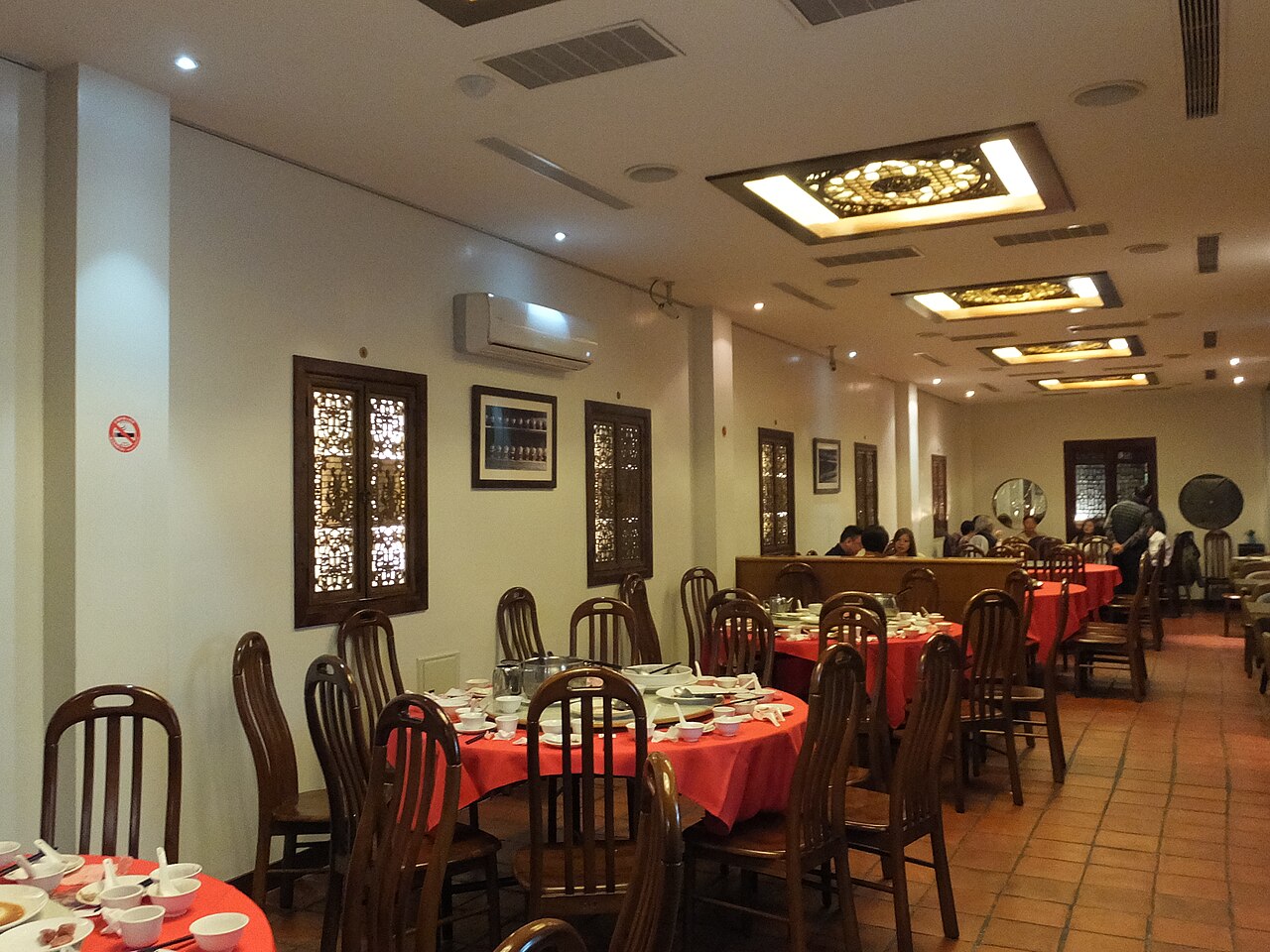 阿美飯店
Amei
Old-school restaurant cooking traditional Tainan banquet dishes, such as a thick vegetable broth topped with crispy fried shrimp. Some dishes must be pre-ordered.
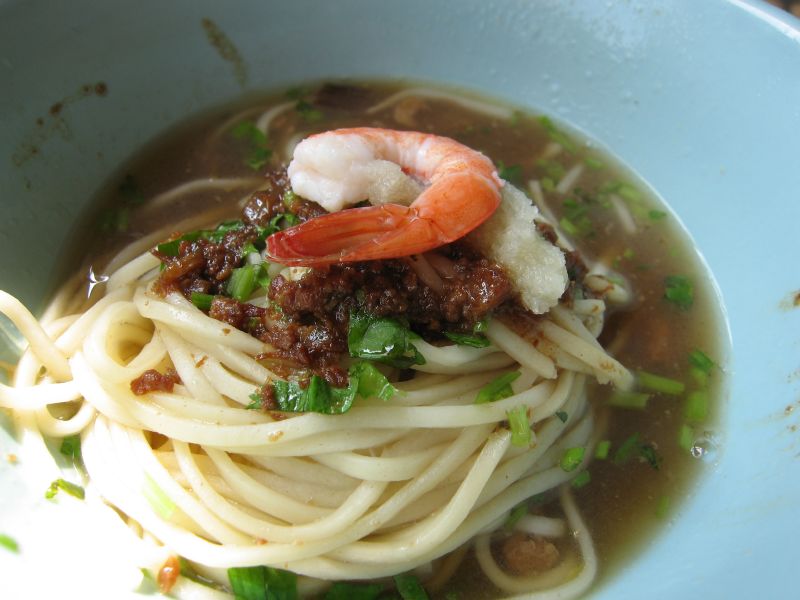 台南度小月擔仔麵原始店本舖
Du Hsiao Yueh Danzai Noodles (Original Store)
Historic danzai noodle brand serving small bowls of noodles with shrimp and minced-pork sauce.
Sources